Learning without barriers

Education Programs

ACDO supports inclusive, safe, and quality learning pathways that connect children, youth, and adults to formal and non-formal education opportunities across Afghanistan.

Education cluster logo
Safe spaces Child-friendly environments that protect wellbeing alongside learning.
Cluster-aligned Modalities coordinated with national and humanitarian education frameworks.
Inclusive access Pathways for girls, returnees, remote communities, and crisis-affected learners.
Continuity Bridges from emergency learning back into formal schools and hub networks.

Education

1) General/ Formal education support (public schools, hub schools or secondary Schools)

  • General / Formal Education Support refers to assistance provided to the official public school system operating under the Ministry of Education (MoE). This includes primary and secondary schools that follow the nationally approved curriculum and standardized academic structure.
  • Within the Education Cluster framework, support is often delivered through:
    • Public schools/Hub schools (formal schools that supervise and support nearby community-based or emergency classes)
    • Schools receiving learners transitioning from emergency or alternative education programs
  • This modality strengthens the formal system while ensuring continuity for children moving from Temporary Learning Spaces (TLS), Community-Based Education (CBE), Accelerated Learning Programs (ALP), or other emergency responses.
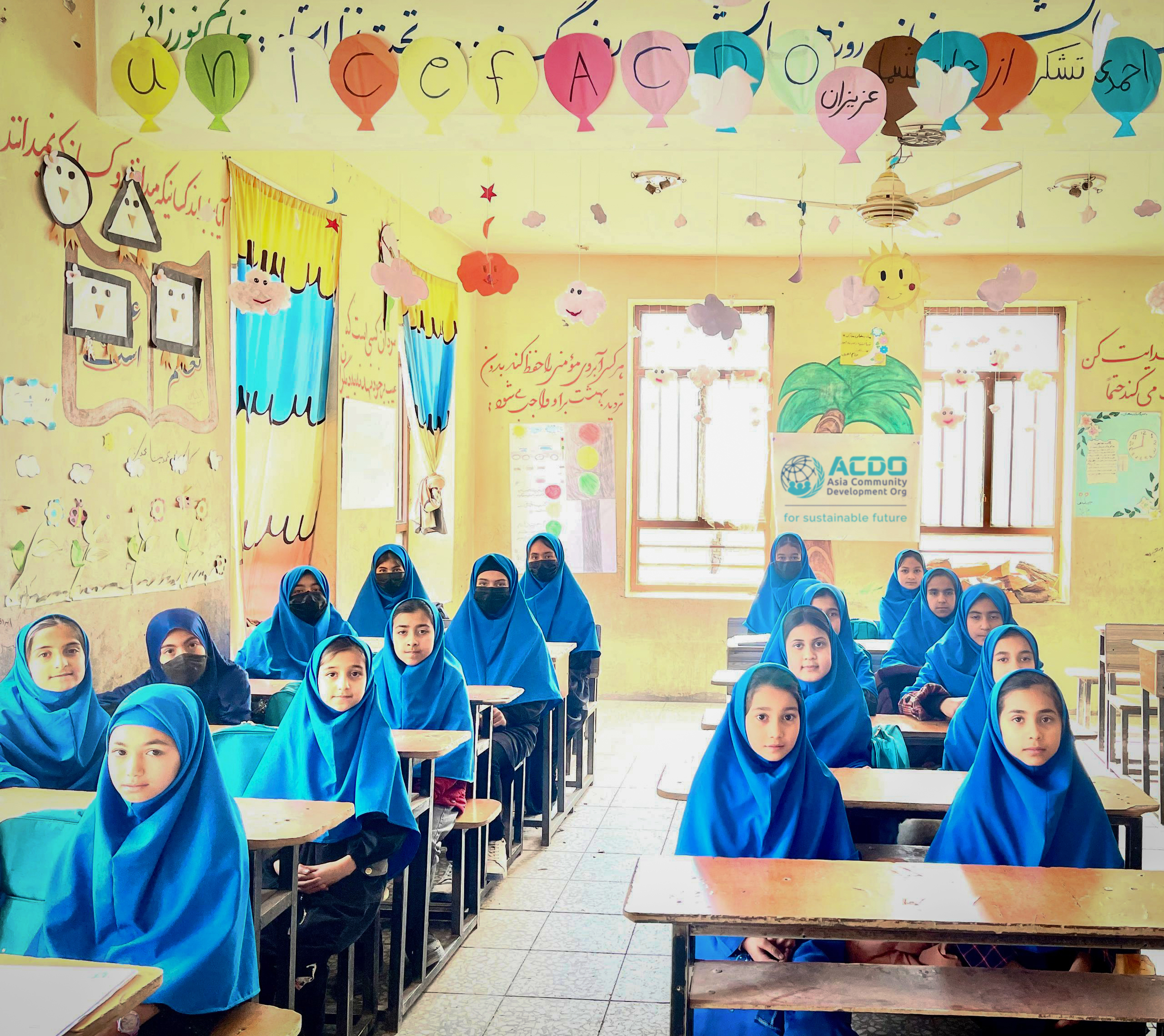
General Education

2) Non-Formal Education Support (Community Based Education (CBE), Accelerated Learning Programs (ALP))

Support provided to public schools under the Ministry of Education, including hub schools that supervise nearby community or emergency classes. This ensures continuity for children transitioning from temporary or alternative education programs into the formal system.

Non Formal Education

1) Temporary Learning Spaces (TLS)

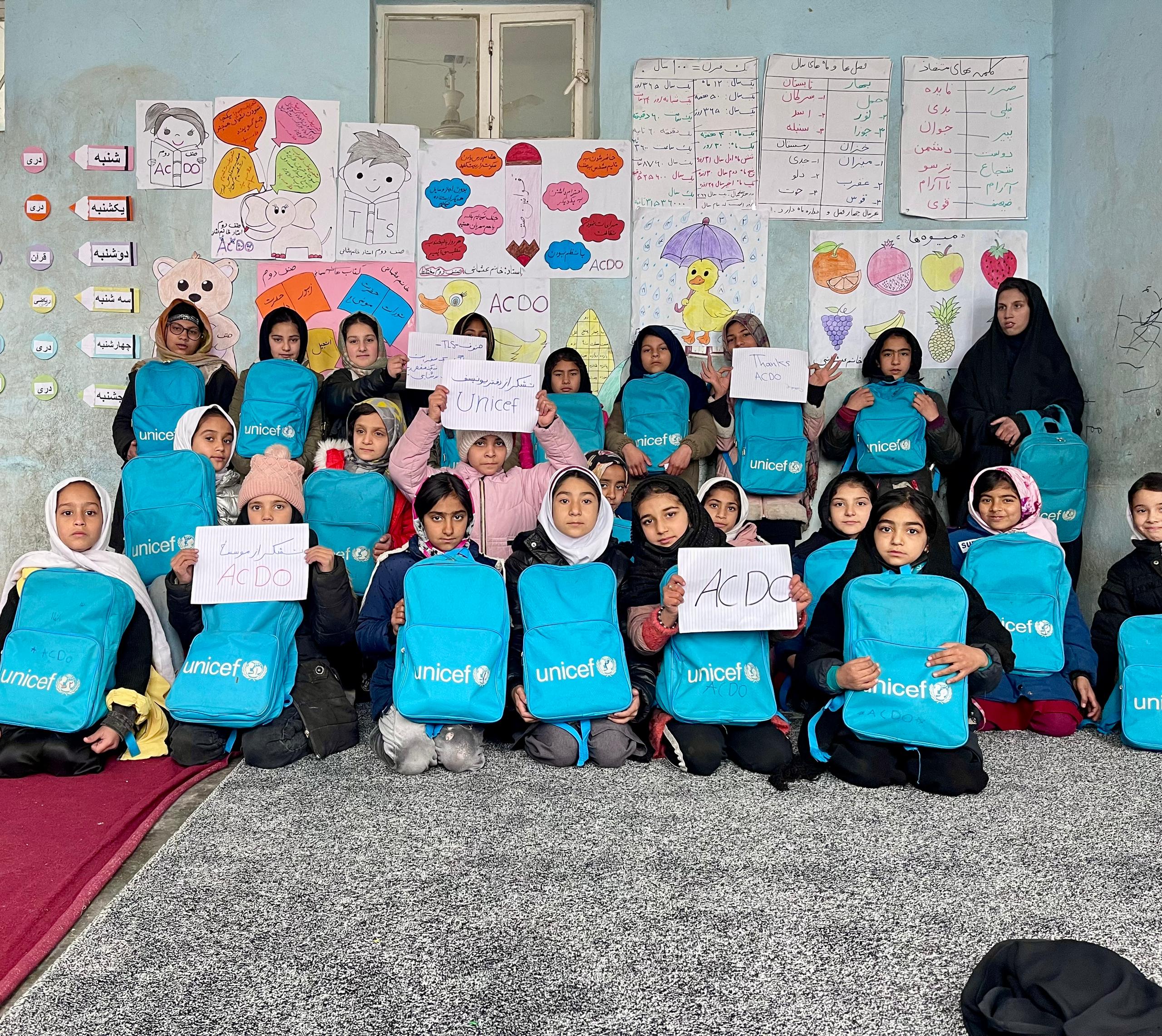
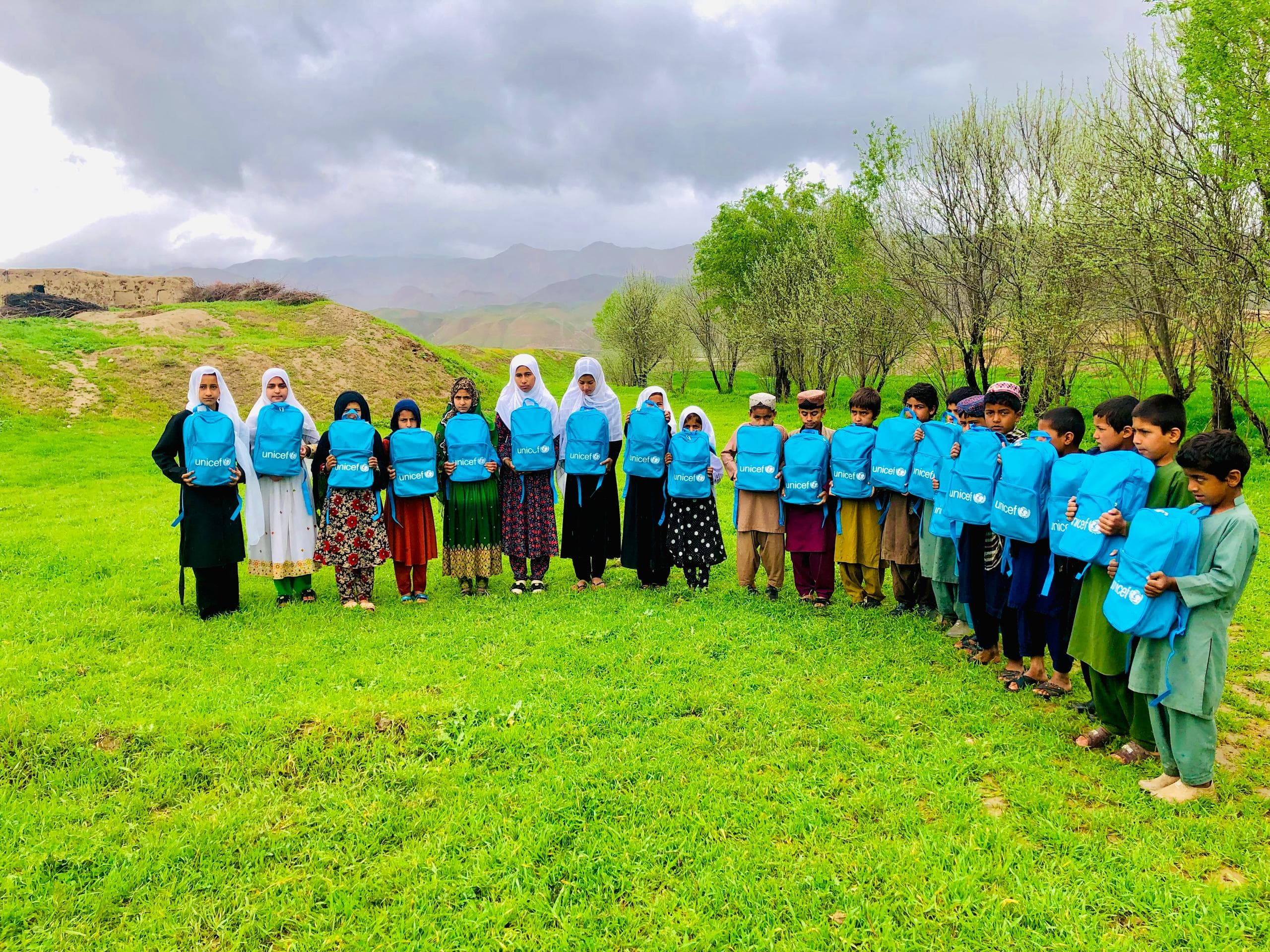
Temporary Learning Spaces (TLS) are short-term education facilities established rapidly in response to emergencies such as displacement, natural disasters, conflict, or large-scale return movements. In Afghanistan's Education Cluster response, TLS are considered a primary modality for delivering education to crisis-affected children, particularly returnees and internally displaced learners.

The purpose of TLS is to ensure continuity of learning when children cannot access formal schools due to damaged infrastructure, overcrowding, or insecurity and catching the up the formal hub schools education curriculum during the academic year is on-going. They provide safe, structured, and child-friendly environments where basic education can continue during emergencies.

TLS typically include the rapid provision of essential educational resources and services. These may involve:

  • Establishing safe and temporary classroom spaces
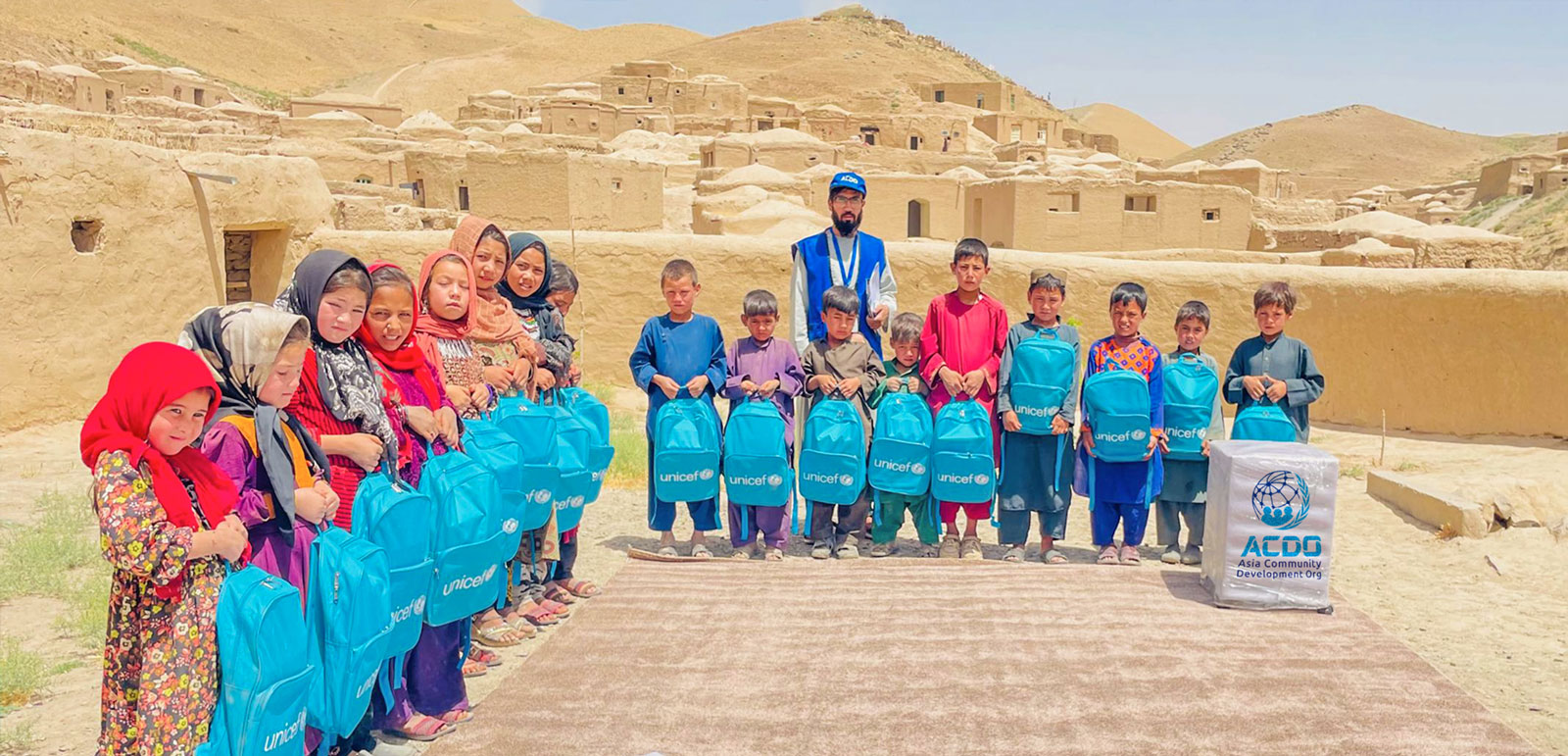
  • Providing teaching and learning materials such as student kits, teacher and classroom kits and teacher guides
  • Deploying teachers or facilitators
  • Integrating psychosocial support and recreational activities
  • Coordinating with hub schools to support student transition

TLS operate as an interim solution and serve as a bridge to more sustainable education pathways, including formal public schools and community-based programs. In Afghanistan's humanitarian context, they play a vital role in protecting the right to education and preventing prolonged learning disruption during crises.

Temporary Learning Spaces

2) Community-Based Education (CBE)

Community-Based Education (CBE) is one of the core education modalities in Afghanistan and a central strategy within the Education Cluster response. It is designed to expand access to education for children who cannot attend formal schools due to distance, insecurity, poverty, cultural barriers, or crisis-related disruptions. CBE plays a particularly important role in increasing enrolment among vulnerable populations, especially girls, children in remote areas, returnees, and those affected by conflict or displacement.

CBE is commonly implemented through several structured sub-modalities that are aligned, to varying degrees, with the national education system.

2.1 Community-Based Classes (CBC)

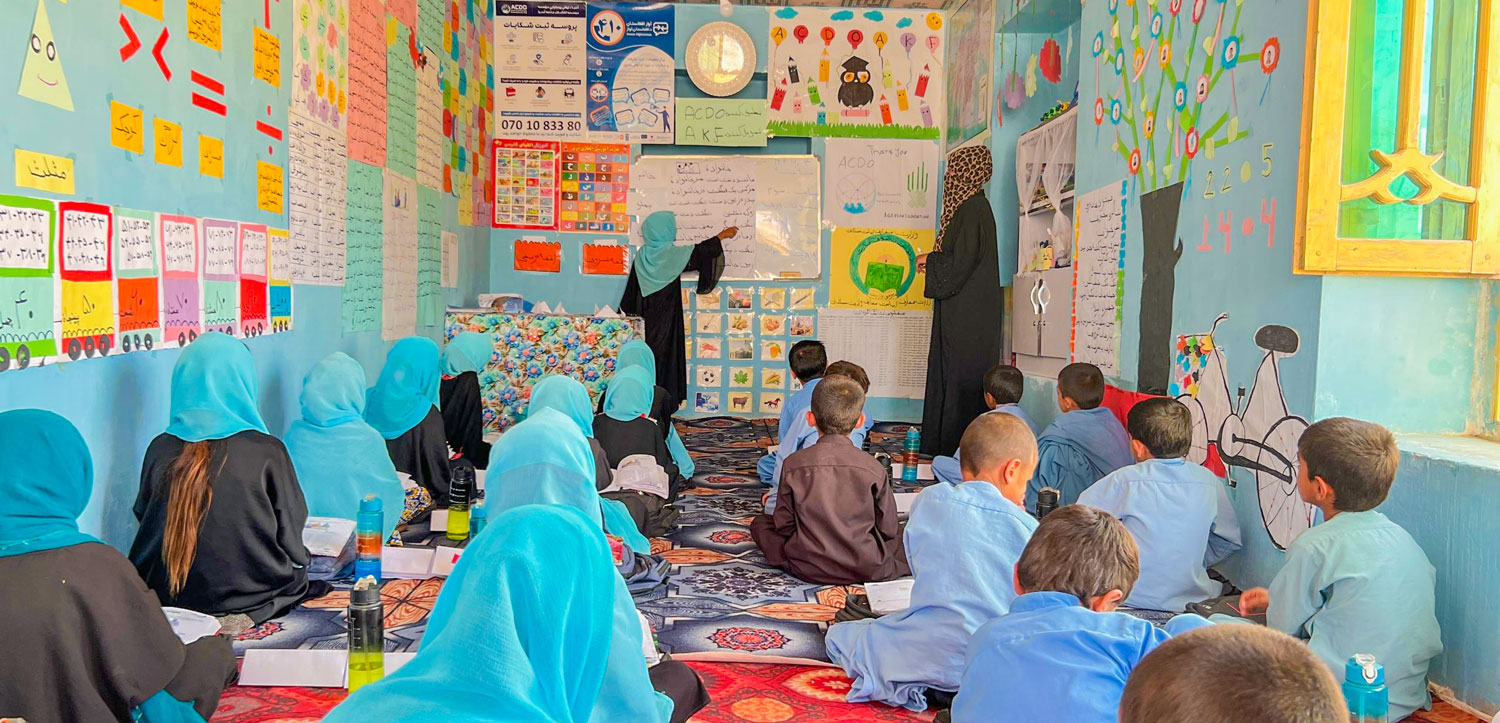
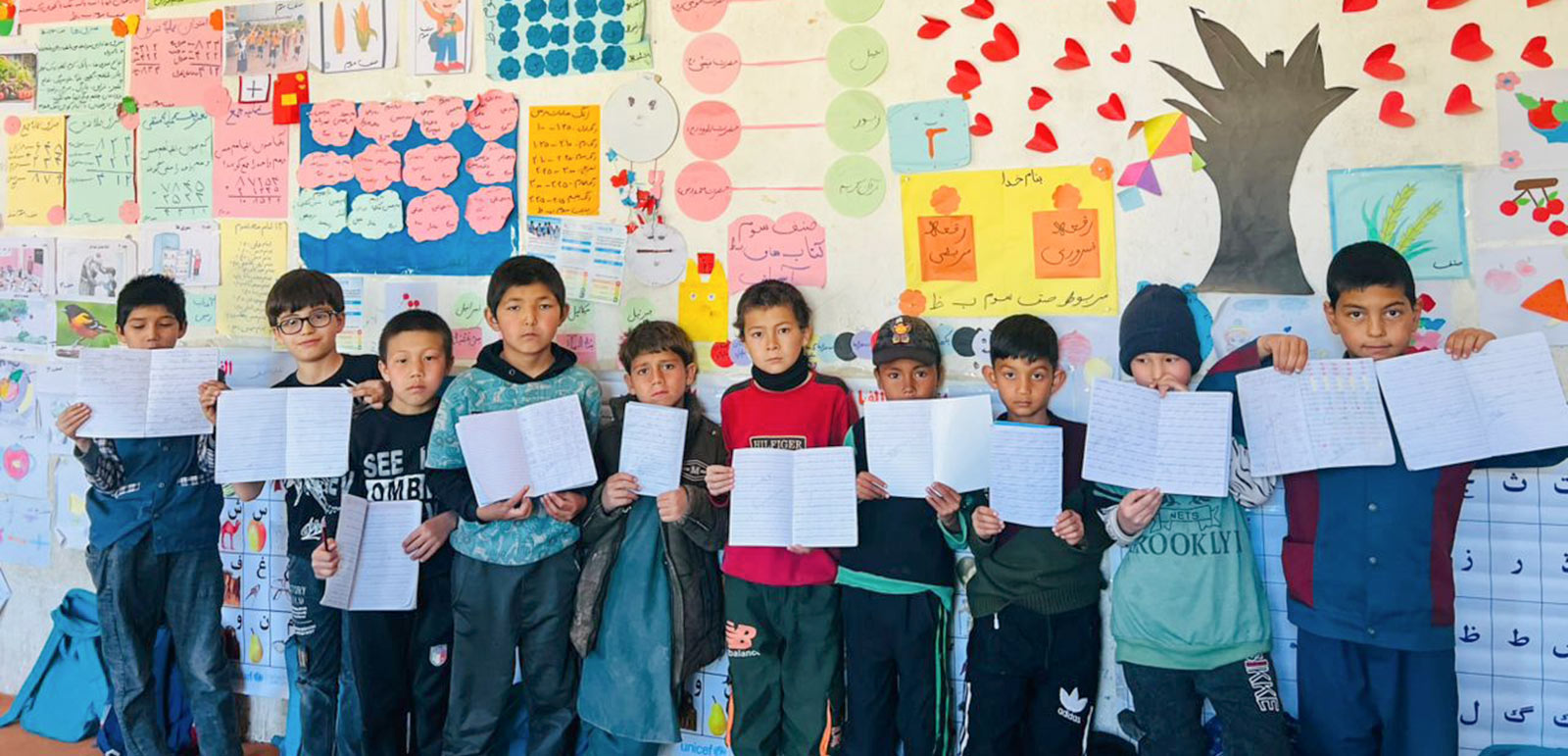
Community-Based Classes are locally established classes conducted close to children's homes, often in community spaces such as houses, mosques, or shared buildings. They follow the national curriculum and are usually linked to a nearby hub school for supervision and registration.

The purpose of CBC is to bring basic education directly to communities where formal schools are too far or inaccessible. By reducing travel distance and safety concerns, CBC increases enrolment and attendance, particularly for young children and girls. These classes serve as an entry point into the formal education system and support early grade learning in underserved areas.

Community Based Classes

2.2 Accelerated Learning Programs / Centers (ALP / ALC)

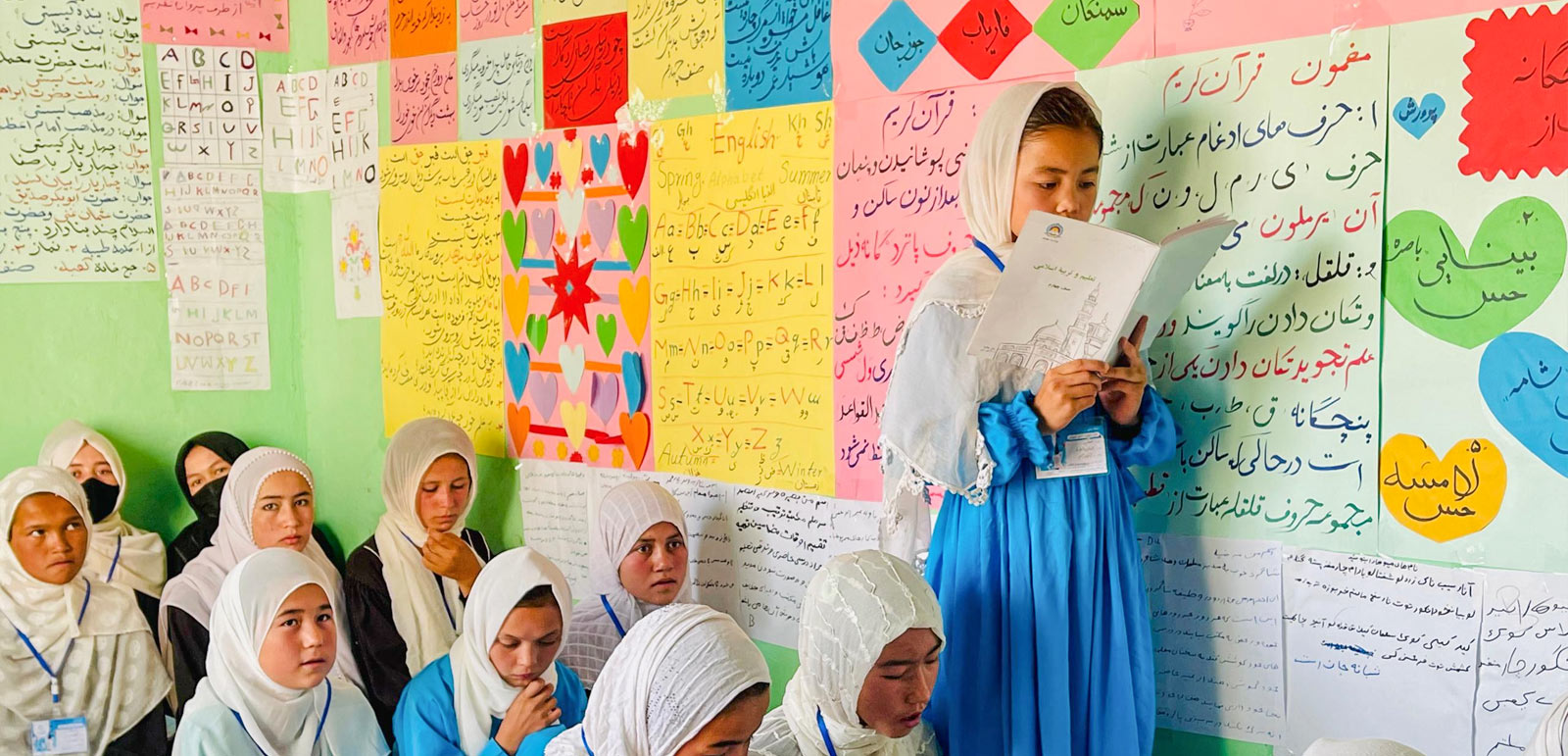
Accelerated Learning Programs or Centers are structured education initiatives that compress multiple grades into a shorter time frame. They are often implemented within the CBE framework and are specifically designed for over-age and out-of-school children who have missed years of schooling.

The purpose of ALP/ALC is to help learners catch up academically and transition into age-appropriate grades within the formal system. By offering condensed and focused instruction, these programs prevent children from permanently falling behind and provide a second chance for reintegration into mainstream education.

Accelerated Learning

2.3 Community-Based Schools (CBS)

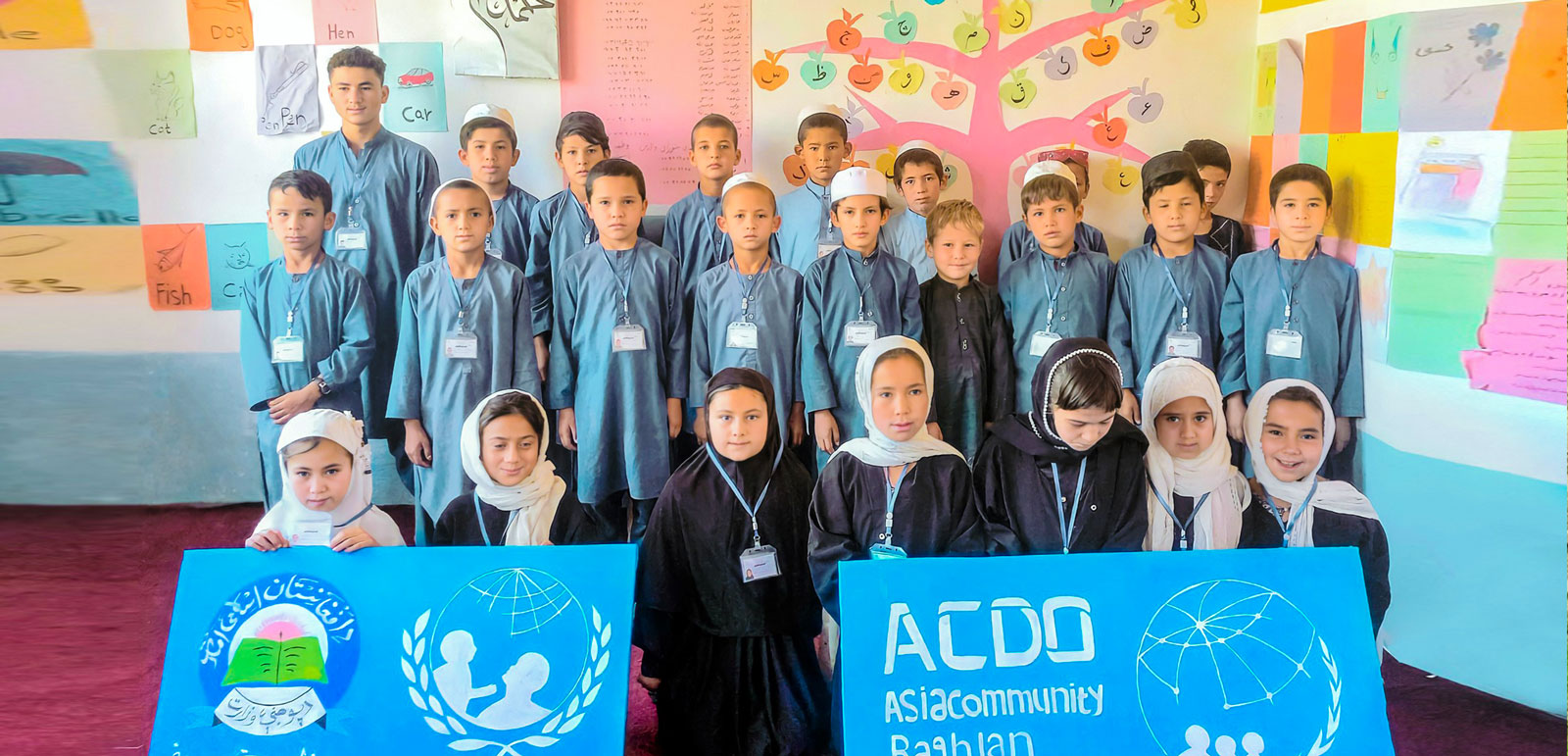
Community-Based Schools represent a more institutionalized form of CBE and are more closely integrated with the formal education system than standard community-based classes. They operate within communities but are aligned with Ministry of Education standards and structures.

The purpose of CBS is to provide sustainable, locally anchored schooling that maintains quality and continuity. As referenced in recent humanitarian planning frameworks, there is increasing emphasis on transitioning temporary or informal community classes into more sustainable CBS models. These schools strengthen long-term system integration and improve continuity between community learning and formal public education.

Community Based Schools

Overall, Community-Based Education serves as a critical bridge between marginalized communities and the national education system, ensuring that children who would otherwise remain out of school are provided with accessible, structured, and pathway-oriented learning opportunities.

3) Catch-up programs / catch-up classes

Catch-up programs are targeted education interventions designed to help learners reach expected grade-level competencies after experiencing interruptions in their education. In Afghanistan, these programs are often implemented through accelerated approaches such as ALP or ALC, although many organizations still report them separately as a distinct "catch-up" modality within the Education Cluster framework.

Catch-up classes focus on children who have fallen behind due to displacement, conflict, school closures, poverty, or prolonged absence from school. They provide structured and time-bound instructional support aimed at addressing specific learning gaps rather than delivering a full compressed curriculum.

The primary purpose of catch-up program is to bridge learning loss and restore foundational competencies so that children can successfully reintegrate into formal schools or transition to higher grade levels. These programs typically prioritize core subjects such as literacy and numeracy, ensuring that learners regain essential skills needed for academic progression.

Catch-up classes are frequently implemented alongside Community-Based Education (CBE) and Accelerated Learning Programs (ALP), serving as a flexible support mechanism within both emergency and development education responses. By preventing long-term learning setbacks, they play a critical role in protecting children's educational pathways in crisis-affected contexts.

Catch-up Programs

4) Remedial classes (foundational learning remediation)

Remedial classes are targeted support interventions designed to address specific learning deficits among students who are already enrolled in school or returning after a period of absence. In the Afghanistan context, remedial support is widely used to assist learners who are significantly behind expected grade-level competencies, particularly in foundational subjects.

These classes focus primarily on strengthening core skills such as reading, writing, and basic mathematics. Rather than delivering new curriculum content, remedial programs concentrate on reinforcing essential concepts that students may have missed due to displacement, school closures, conflict, or prolonged interruptions in learning.

The main purpose of remedial education is to improve foundational learning outcomes and ensure that students can meaningfully participate in regular classroom instruction. By addressing learning gaps early, remedial support helps prevent repetition, dropout, and long-term academic underperformance.

Remedial programs complement regular teaching and are often integrated into broader literacy, school improvement, or emergency education initiatives. In crisis-affected settings, they play a crucial role in restoring learning confidence and improving retention among vulnerable learners.

Remedial Classes

3) Literacy & numeracy programs (Youth/Adult literacy = In-formal education)

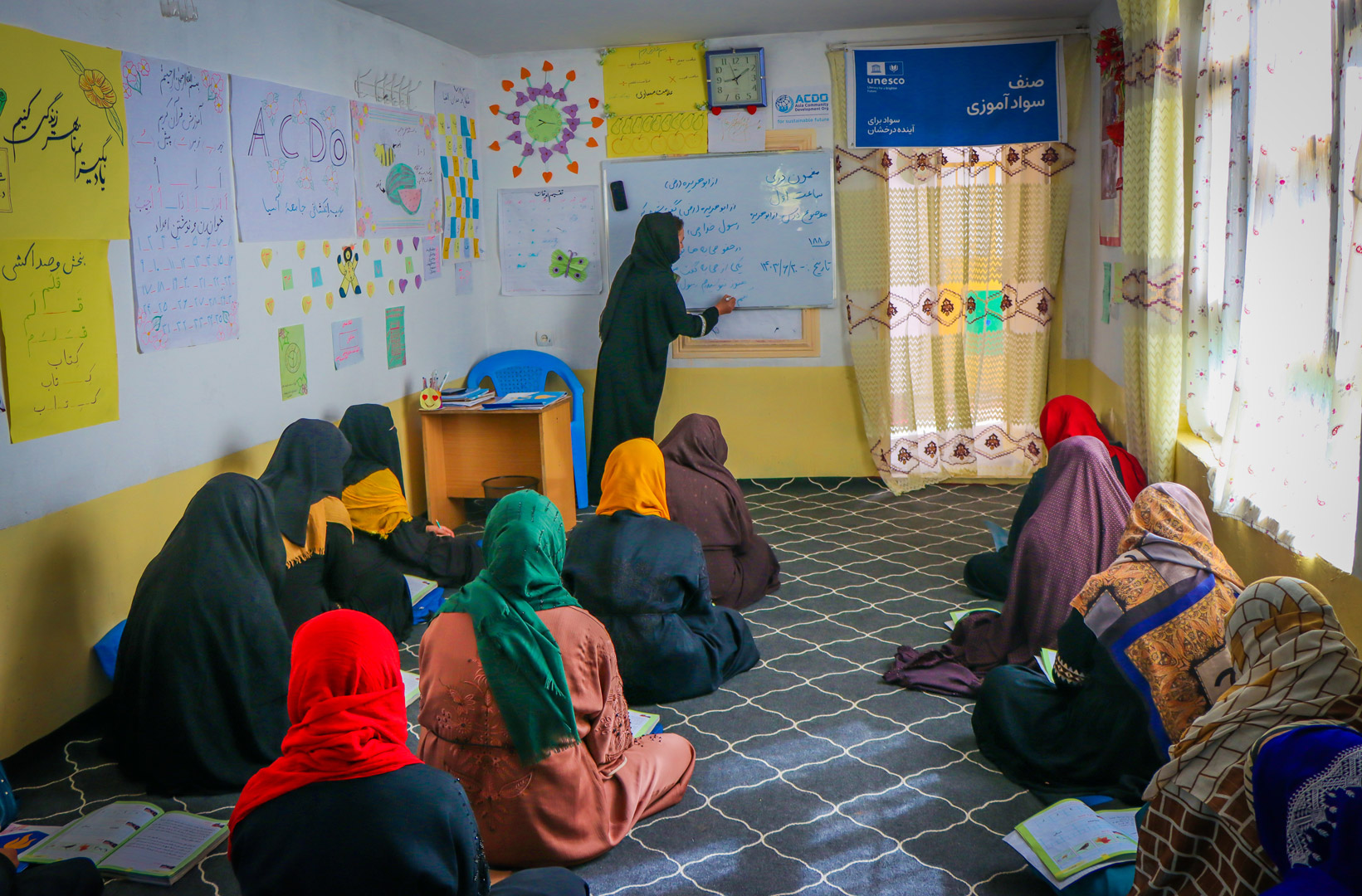
Literacy and numeracy programs in Afghanistan fall under non-formal education and are designed to support youth and adults who lack basic reading, writing, and numeracy skills. These programs primarily target individuals who missed formal schooling opportunities, including women, out-of-school adolescents, and marginalized community members.

The purpose of these initiatives is to expand functional literacy and numeracy, enabling participants to improve their daily lives and actively engage in social and economic activities. Rather than following a traditional school structure, literacy classes are often flexible and community-based, allowing learners to participate according to their circumstances.

These programs focus on:

  • Basic reading and writing skills
  • Practical numeracy for everyday use
  • Life skills and community awareness

Their key role is to enhance employability, promote self-reliance, and strengthen community participation. Improved literacy contributes to better access to information, improved health and financial decision-making, and increased opportunities for livelihoods.

In Afghanistan's current context, non-formal literacy programs remain essential for addressing long-standing education gaps among adolescents and adults who were excluded from the formal system.

Literacy and Numeracy