
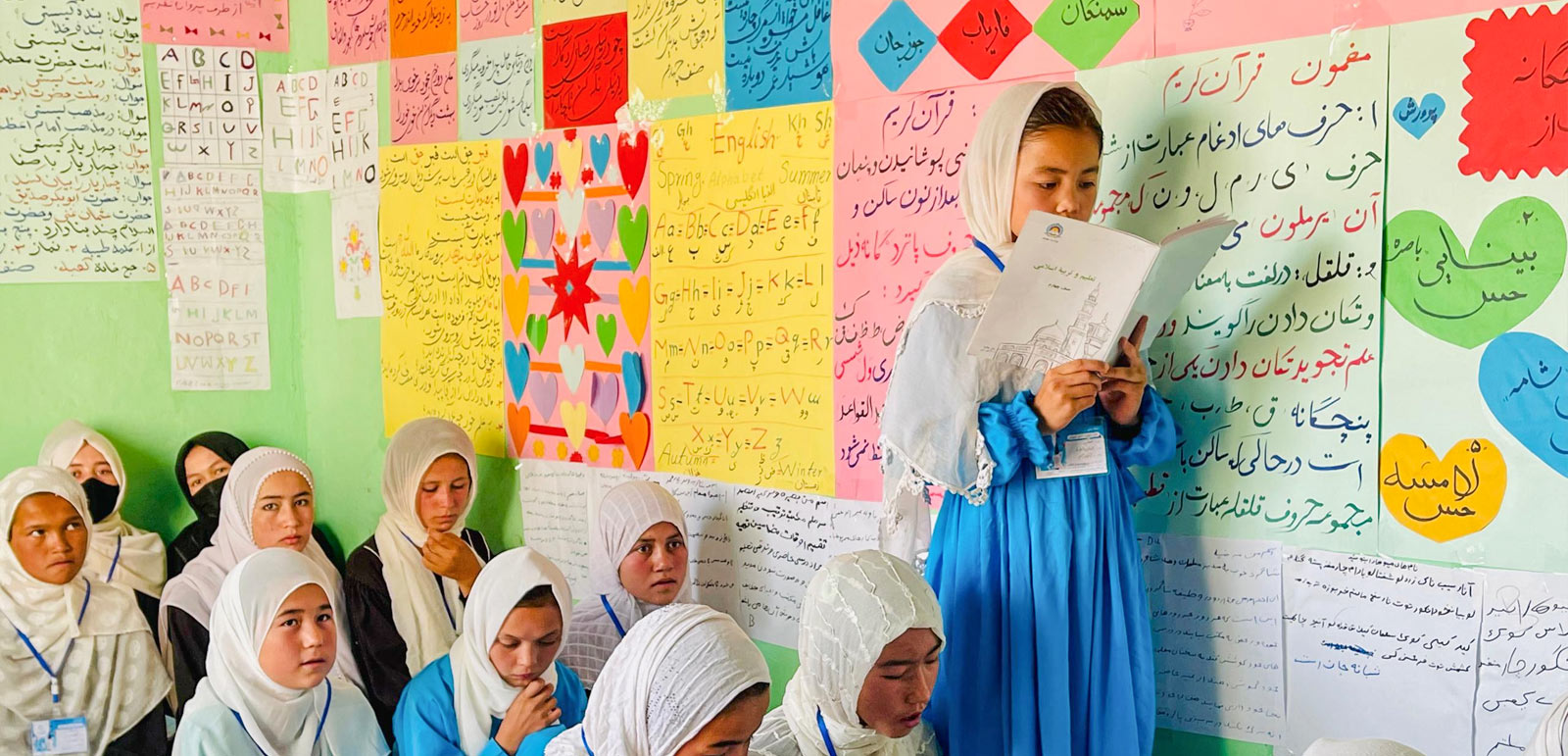
Remedial classes are targeted support interventions designed to address specific learning deficits among students who are already enrolled in school or returning after a period of absence. In the Afghanistan context, remedial support is widely used to assist learners who are significantly behind expected grade-level competencies, particularly in foundational subjects.
These classes focus primarily on strengthening core skills such as reading, writing, and basic mathematics. Rather than delivering new curriculum content, remedial programs concentrate on reinforcing essential concepts that students may have missed due to displacement, school closures, conflict, or prolonged interruptions in learning.
The main purpose of remedial education is to improve foundational learning outcomes and ensure that students can meaningfully participate in regular classroom instruction. By addressing learning gaps early, remedial support helps prevent repetition, dropout, and long-term academic underperformance.
Remedial programs complement regular teaching and are often integrated into broader literacy, school improvement, or emergency education initiatives. In crisis-affected settings, they play a crucial role in restoring learning confidence and improving retention among vulnerable learners.