
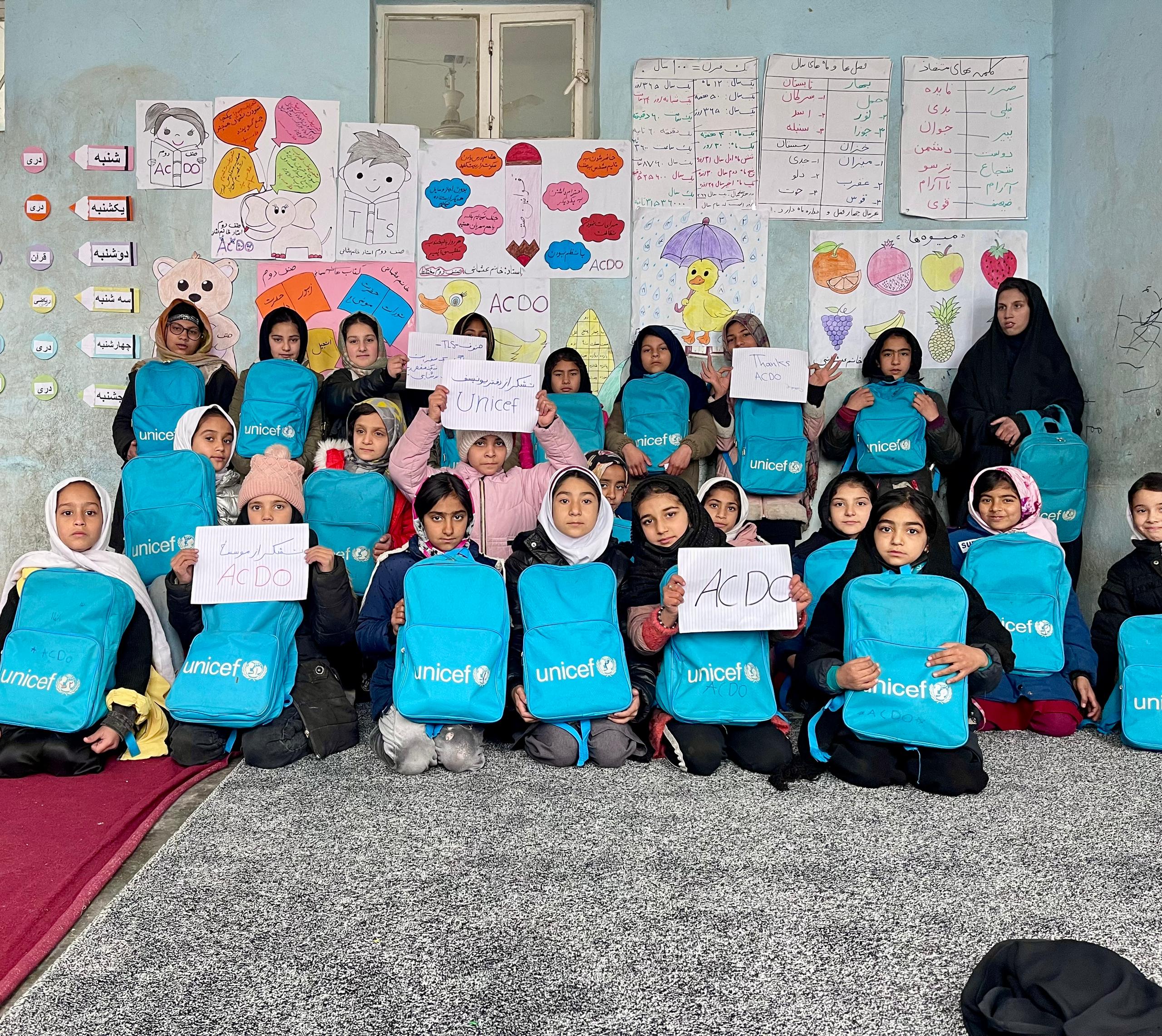
Temporary Learning Spaces (TLS) are short-term education facilities established rapidly in response to emergencies such as displacement, natural disasters, conflict, or large-scale return movements. In Afghanistan's Education Cluster response, TLS are considered a primary modality for delivering education to crisis-affected children, particularly returnees and internally displaced learners.
The purpose of TLS is to ensure continuity of learning when children cannot access formal schools due to damaged infrastructure, overcrowding, or insecurity and catching the up the formal hub schools education curriculum during the academic year is on-going. They provide safe, structured, and child-friendly environments where basic education can continue during emergencies.
TLS typically include the rapid provision of essential educational resources and services. These may involve:
- Establishing safe and temporary classroom spaces
- Providing teaching and learning materials such as student kits, teacher and classroom kits and teacher guides
- Deploying teachers or facilitators
- Integrating psychosocial support and recreational activities
- Coordinating with hub schools to support student transition
TLS operate as an interim solution and serve as a bridge to more sustainable education pathways, including formal public schools and community-based programs. In Afghanistan's humanitarian context, they play a vital role in protecting the right to education and preventing prolonged learning disruption during crises.